Worked Figures, Real Judgments, and the Gaps That Sink a Claim
Formula one — cost to finish the job: the reasonable cost of completing the original work (a replacement contractor's quote) minus the balance still owed under the original contract equals the recoverable difference. The court has been explicit that this is a difference, not a refund (New Era Group, 2021). Illustrative figures only: HK$200,000 already paid, a replacement contractor quotes HK$180,000 to finish the same scope, the original contract was HK$300,000 — HK$200,000 + HK$180,000 − HK$300,000 = an HK$80,000 difference (the numbers are illustrative; the formula is what matters).
Formula two — paid minus value received: what's already been paid minus the value of the work actually done (by independent assessment) equals the recoverable difference, used when the cost-to-finish formula can't be fairly worked out (in one Consumer Council case, a consumer had paid 70% of the price when a third-party assessment found only 17% of the work actually complete). A real Hong Kong example: in Chandrashekhar Leena v Chung Wai Han Vikki (2019), the homeowner claimed the cost of a replacement contractor less the unpaid balance (HK$394,000) plus alternative-accommodation costs (HK$313,300) — the judgment does not break down how the two components were weighed — and the court awarded HK$676,200 in total. In New Era Group (2021): an HK$733,216.70 difference in value plus HK$916,800 for loss of use came to an HK$1,650,016.70 award.
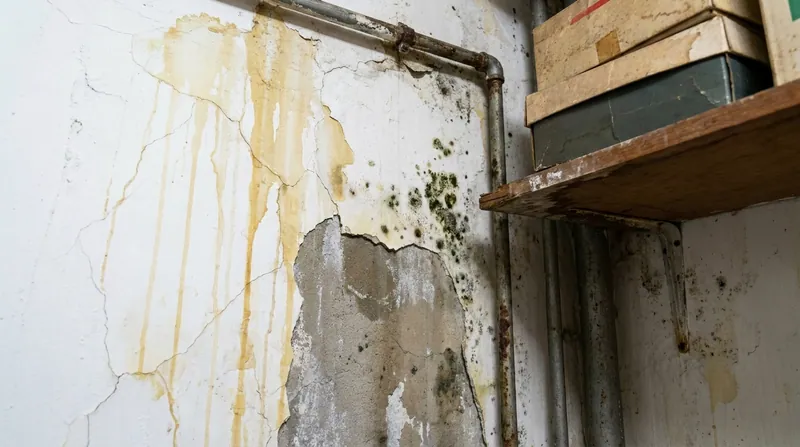
Work that's finished but defective is valued at the reasonable cost of repair, set against what's been paid or is still owed under the contract (Tennyson Estate, High Court). In New Era, the court held that finding a replacement within about a month was reasonable in that case, and excluded the loss from the extra two months the owner took. Three things commonly sink a claim: waiting too long to find a replacement; letting the new contractor upgrade or expand the scope, since once the scope changes the numbers stop lining up; and having no receipts or independent assessment to back the figures — the adjudicator decides on the evidence, and what can't be proved doesn't count.
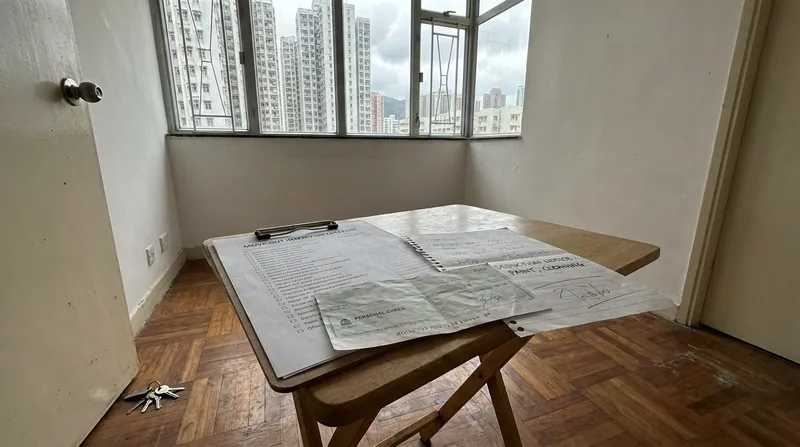
Four heads of loss sit outside the two formulas — a court weighs each on its own evidence, and only awards it if it can be proved: reasonable loss of use or rent for a reasonable period (this needs proof the unit was rentable, a rental valuation, and proof it was actually put on the market); alternative-accommodation costs (this needs a tenancy and receipts, and the move itself has to be a reasonable step to mitigate the loss); liquidated damages for delay, but only if the contract sets a rate (only 38% of quotations the Consumer Council reviewed carried one — without it, ordinary damages apply instead); and general damages for inconvenience and distress (there's no fixed formula — the amount is at the adjudicator's discretion). When a claim can't be calculated, it's usually missing one of three things: a replacement quote matching the ORIGINAL scope of work, since added extras or a changed scope make the numbers unreliable; the chance for the contractor to fix it first, since courts expect a written list of defects before further work is refused — two cases were lost outright for skipping this step; or an independent assessment to back the figures. Once whichever gap applies is closed, Form 2 is the next step. The statutory filing fee follows the Small Claims Tribunal (Fees) Rules (Cap. 338B) — the exact same tiers used in the Renovation Dispute Assessment above: HK$20, HK$40, HK$70, HK$120.