追討易EASYDEBT
Use Case · Rent Arrears Recovery

Tenant Not Paying Rent in Hong Kong?
Choose the Correct Route for Arrears and Possession.

If you need possession as well as rent, Lands Tribunal Form 22 can put possession, arrears and mesne profits in one application, with no ceiling on its money limb under Cap. 17 s.8(8). If the tenant has left and you want no more than HK$75,000, the Small Claims Tribunal is the money-only route.

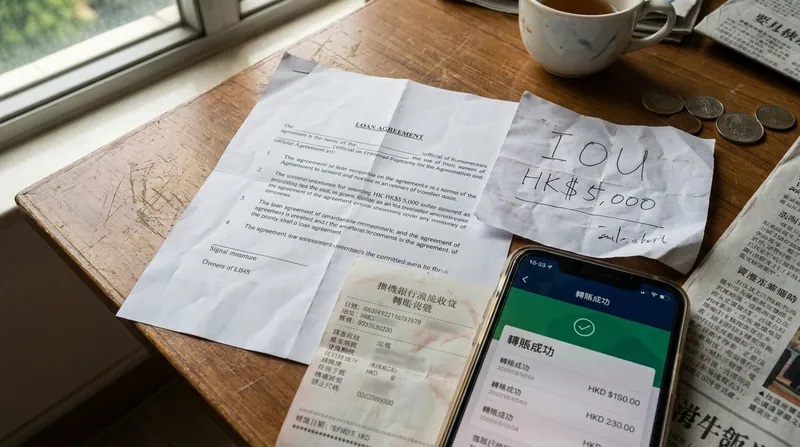
Hong Kong landlord preparing a rent arrears claim
Case Assessment

Which Hong Kong Tribunal Should Hear Your Rent-Arrears Claim?

Rent Arrears Route Check

Answer four questions to identify the likely forum, filing fees and documents required before filing.

Step 1 of 4

What result do you actually need?

Pick the practical outcome, not the label you have given the dispute.

Published pricing

Money-claim filing support, with the boundaries stated up front

Service Fee

FromHK$499

  • Official Small Claims Tribunal filing fees are HK$20 to HK$120 by claim band; a Cap. 7 Lands Tribunal application starts at HK$235, with other steps charged separately.
  • Our service is limited to the money-only Small Claims Tribunal branch. We do not file for possession or a distress warrant.
  • CR109 endorsement fees, stamp duty and late-stamping penalties are paid directly to the Government and are not marked up by us.
Two decisions that change the route

Can One Lands Tribunal Case Cover Possession and Arrears? What About the Deposit?

In practice, this can mean one case, two filings and several separate trips or attendances. The deposit question has a different answer for an ordinary tenancy and a regulated subdivided unit.

Do I need separate cases for possession and unpaid rent?

Paper-cut landlord holding one application sheet that branches toward possession and rent trays

What you'll read elsewherePossession and arrears always require two separate cases.

Short answer

No. One case can contain both remedies, followed by a second filing if enforcement is needed.

That confuses filing with enforcement.

  1. First filing

    Form 22 can put possession and money before the Lands Tribunal together

    A Form 22 possession application may also ask for arrears and mesne profits. Cap. 17 s.8(8) empowers the Lands Tribunal to make those money orders in the possession case, whether or not possession is granted, and places no monetary ceiling on that joined limb.

  2. Second filing

    If the Tenant Does Not Comply, Apply for a Writ of Possession

    If the tenant does not leave after the order, return within the same case to apply for the writ. The bailiff—not the landlord—uses it to recover the premises. If possession and an unpaid monetary award are both to be enforced, the Judiciary directs an application for a combined writ.

The honest limitTwo filings do not mean only two visits. Filing, service, posting at the flat, proof of service and enforcement can require additional trips. The official sources do not publish an end-to-end duration, so this page does not promise one.

Can I claim the arrears left after crediting the rental deposit?

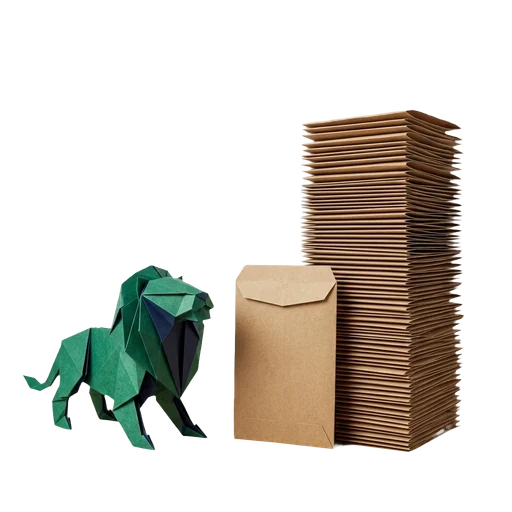
Paper-cut deposit envelope beside a taller stack of unpaid-rent sheets, leaving a visible shortfall

Short answer

Yes, claim the supported net balance rather than treating the deposit as a ceiling.

  1. Ordinary tenancy

    Read the deposit and set-off terms in the agreement

    No general Hong Kong statutory rule was identified that either permits or forbids setting an ordinary tenancy deposit against arrears. The agreement controls. Apply any contractually justified credit, show the arithmetic and claim only the remaining amount you can prove.

  2. Regulated subdivided unit

    A specific two-month cap and arrears deduction rule applies

    For a regulated subdivided-unit tenancy, Cap. 7 s.120AAZC caps the deposit at two months' rent and expressly permits deduction of arrears. This tenancy uses Form AR2 rather than CR109; it still requires stamping and follows the appropriate Form 22 or money-only filing route.

Prepare one schedule showing every due date, payment, deposit credit and remaining balance. For a money-only claim, the Small Claims Tribunal ceiling applies to the amount actually claimed, not a larger pre-credit headline figure.

The honest limitCap. 347 s.18 runs separately from the due date of each rent instalment. A late demand does not restart those six-year clocks, and the oldest months may expire before newer months from the same tenancy.

One step at a time

How a Possession Case Moves from Filing to Enforcement

Each step names the instrument, place and immediate task. The linked guides explain each procedure in detail.

  1. Paper-cut landlord at a desk reviewing a tenancy agreement beside two unmarked document stamps
    Step 1

    Clear the endorsement and stamping issues; then read the notice to quit and termination clauses

    For an ordinary Part IV domestic tenancy rent claim, obtain the CR109 endorsement. Have the agreement duly stamped so that it can ordinarily be admitted in evidence. Then read the lease itself for the notice to quit and forfeiture machinery. There is no general statutory notice period to substitute for that reading. If the agreement contains no express rent and forfeiture terms, Cap. 7 s.126 supplies a right of forfeiture after rent remains unpaid for 15 days, subject to the section's scope limits.

    What a Hong Kong landlord can do about unpaid rent

  2. Paper-cut landlord handing a folded filing bundle across a tribunal registry counter
    Step 2

    File Form 22 for possession plus money, or Forms 1 and 2 for money only

    A Cap. 7 Form 22 application costs HK$235 and may be completed in Chinese or English. Lodge it with the duly stamped original agreement, a copy and the supporting rent records required by the filing guidance. For a money-only claim within HK$75,000, file Small Claims Tribunal Form 1 and Form 2 in person; the filing fee is HK$20, HK$40, HK$70 or HK$120 according to the sum claimed.

    Rent-defaulter filing checklist

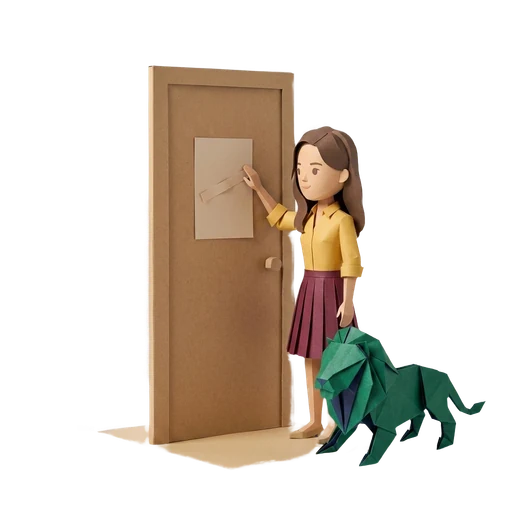
  3. Paper-cut hand fixing a sealed tribunal notice to the outside of a flat door
    Step 3

    Serve the sealed papers and complete the required posting yourself

    The applicant must serve the respondent with the notice of application no later than seven days after filing and file Form 30 confirmation or an affidavit of service within three days after service. The Lands Tribunal procedure also requires conspicuous posting at the premises, including the notice to persons in actual possession or occupation for three consecutive days. Follow the Registry's directions for the particular case. Posting sealed court papers outside is not permission to enter, change locks or remove anyone.

  4. Paper-cut open doorway with a seal and a trolley of boxes while the landlord stands aside for the bailiff
    Step 4

    If the Tenant Ignores the Possession Order, Apply for the Writ and Leave Enforcement to the Bailiff

    Where the tenant does not comply, apply by affidavit for leave to issue the writ of possession and pay the required fee and bailiff deposit. No verified figure for the bailiff deposit was found, so it is not estimated here. The bailiff carries out possession. Where an outstanding money award is to be enforced at the same time, ask the Registry about the combined writ identified by the Judiciary. Do not turn an enforceable order into a self-help eviction.

    How to calculate the deposit and final balance

Other disputes arising from the same tenancy: Rental-deposit deductions after handoverWater damage, repairs and compensation

Free Case Assessment (WhatsApp)
Before any forum

Is CR109 Endorsed and Is the Tenancy Agreement Stamped?

These documents control different parts of the filing. Both can be cured, but the safe sequence is to complete them before proceedings begin.

If your case includes a claim for rent under a domestic tenancy, check the RVD notice and the stamp-duty position before choosing the Small Claims Tribunal, Lands Tribunal or District Court.

Gate 1

Form CR109 · notice of new letting or renewal agreement

No endorsement means the rent action is not maintainable yet

Who this applies toThis gate applies to domestic tenancies within Cap. 7 Part IV. A regulated subdivided-unit tenancy falls under Part IVA and uses AR2, not CR109. Non-domestic lettings do not use CR109.

Is this stamp on your paperwork?

Cleared

Endorsed by the Commissioner

The Cap. 7 precondition for a rent action under that agreement has been satisfied. Keep the endorsed notice with the filing bundle.

Not cleared

Awaiting endorsement

The landlord cannot maintain the action to recover rent under that agreement: Cap. 7 s.119L(2).

What this does not blockThis bar is confined to the action to recover rent. It does not itself prevent a possession or ejectment application, mesne profits, damages for breach, or a court-controlled distress warrant.

How to fix it

Form
Lodge CR109 with the Rating and Valuation Department for the Commissioner's endorsement.
Timing and fee
Lodging within one month of the letting or renewal is free. It may be lodged later at any time on payment of HK$310.
Sequence
Obtain endorsement before filing. The sources do not establish that endorsement after proceedings start will rescue a claim already issued.

Where you goRating and Valuation Department: 15/F, Cheung Sha Wan Government Offices, 303 Cheung Sha Wan Road, Kowloon.
For tenancy matters, call 2150 8303 first for an appointment with the Tenancy Services Section in Tseung Kwan O.

Landlord and Tenant (Consolidation) Ordinance, Cap. 7 s.119L(2)

Gate 2

Tenancy agreement · stamping and stamp duty

An unstamped agreement creates an evidence bar, not a void contract

Who this applies toA chargeable tenancy agreement used in civil proceedings in any forum must be duly stamped. This is separate from the tenancy-notice gate.

Is this stamp on your paperwork?

Cleared

Stamp duty paid

The agreement can be tendered as evidence, subject to the ordinary rules governing the proceeding.

Not cleared

Stamp duty unpaid

The instrument cannot ordinarily be received in evidence in civil proceedings: Cap. 117 s.15(1).

What this does not blockThe agreement is not automatically void. The problem is admissibility. Cap. 117 contains a solicitor-undertaking route, but a solicitor cannot represent a party in the Small Claims Tribunal under Cap. 338 s.19(2).

How to fix it

Rates
Under Cap. 117 Schedule 1: up to one year, 0.25% of total rent; over one to three years, 0.5% of yearly or average yearly rent; over three years, 1%.
Late stamping
The statutory penalty is 2 to 10 times the duty, depending on lateness. The Collector may remit all or part: Cap. 117 s.9.
Where
Complete late stamping with the Stamp Office before relying on the agreement in the claim.

Where you goStamp Office: 1/F, Inland Revenue Centre, 5 Concorde Road, Kai Tak, Kowloon; enquiries 2519 6740.

Stamp Duty Ordinance, Cap. 117 s.15(1), s.9 and Schedule 1

Once the relevant endorsement and stamping issues are cleared, choose the forum by the remedy you need—not by the size of the arrears alone.

Free Case Assessment (WhatsApp)
Supported amount / unsupported add-on

What Belongs on the Filing Sheet—and What Should Stay Off It

The tribunal needs a provable figure tied to the tenancy and the calendar. Check each line before filing: a familiar charge is not automatically a recoverable charge, and an old rent instalment does not become timely because it appears in a new spreadsheet.

More likely to hold

  1. The duly stamped tenancy agreementCap. 117 s.15(1)

    Use the agreement to establish the parties, premises, rent, due date, term and allocation of charges. Lands Tribunal guidance calls for the stamped original and a copy with the Form 22 filing.

  2. Rent arrears and mesne profits in the possession caseCap. 17 s.8(8)(a)

    The Lands Tribunal may order rent and mesne profits, including interim payments, inside the possession application. That joined money limb is not subject to the Small Claims Tribunal ceiling.

  3. Other sums the agreement makes dueCap. 17 s.8(8)(b)

    Management fees, rates, government rent and utilities are recoverable only if the tenancy makes the tenant liable for them. The statutory language is money due under the tenancy, not every outgoing associated with the premises.

  4. Interest that the Small Claims Tribunal may awardCap. 338 s.33(1)

    The Tribunal may include pre-award and post-award interest. The applicable rate floats by reference to the District Court judgment-debt rate, so no fixed percentage is stated here.

Supported by the agreement, statute and records

Usually won't hold

  • An unstamped chargeable agreementCap. 117 s.15(1)

    It cannot ordinarily be received in evidence in civil proceedings. Complete stamping before filing instead of assuming the Tribunal will cure the problem for a self-represented claimant.

  • Charges the tenancy never assigns to the tenant

    Do not add building charges, rates, government rent or utilities merely because the landlord paid them. Point to the clause that makes the amount due under this tenancy and show the calculation.

  • Rent older than 12 months in a distress applicationCap. 7 s.79

    A District Court distress warrant can reach no further back than the 12 months preceding the application. This is a cap on what the warrant covers, not a 12-month tenancy requirement.

  • Any instalment that fell due more than six years agoCap. 347 s.18

    Each rent instalment has its own limitation date. The section also bars distress after six years, so neither a new demand nor a different remedy revives an expired month.

  • Lawyers' fees in a Small Claims Tribunal claimCap. 338 s.19(2)

    Barristers and solicitors cannot represent parties in the Tribunal, and legal fees are not shifted into the award. Keep official filing expenses distinct from professional advice obtained elsewhere.

No contractual basis, no admissible supporting document, or an expired limitation period

This is a pre-filing check, not a ruling on liability. The agreement, payment history, pleaded remedy and evidence determine what survives a challenge. Remove duplicate credits, unsupported extras and expired instalments before fixing the amount claimed.

Landlord red lines

Two Shortcuts That Can Create Criminal Liability

A rent default does not authorise private eviction or private seizure. Use the court process and let the bailiff execute the order or warrant.

Do not change locks, cut essential services or force the tenant out

Unlawfully depriving a tenant of occupation, or harassing the household to make it leave, may be a criminal offence.

  • First conviction

    HK$500,000and 12 months' imprisonment

  • Subsequent conviction

    HK$1,000,000and 3 years' imprisonment

Cap. 7 s.119V covers unlawful deprivation of occupation and conduct intended to disturb the tenant's peace or persistently withhold services reasonably required for occupation. Subsection (3) provides a reasonable-grounds defence for the harassment limb, but the court—not the landlord—decides whether it is made out. The court may also award compensation.

Landlord and Tenant (Consolidation) Ordinance, Cap. 7 s.119V; regulated subdivided units: s.120AAZO

Do not take the tenant's belongings as payment

Distress for rent is a District Court remedy carried out by a bailiff under a warrant, not a landlord's right of self-help.

  • Summary conviction

    level 1 fineand 3 months' imprisonment

Cap. 7 s.78 makes both levying and attempting to levy distress outside Part III an offence. A proper warrant is court-controlled: exempt property exists, third-party owners may challenge a seizure, and compensation may follow where there was no reasonable ground to treat goods as distrainable. The dollar value of a level 1 fine is not stated because it was not retrieved from the approved sources.

Landlord and Tenant (Consolidation) Ordinance, Cap. 7 s.78

Posting a sealed Lands Tribunal notice on the outside of the premises after filing is different. It is an applicant's procedural duty carried out exactly as the Registry directs. It does not authorise entry, lock-changing, removal of property or personal eviction.

Evidence Required

What Evidence Do You Need for a Rent Arrears Claim?

Common items to prepare:

Exhibit index

Build one dated trail from the signed tenancy to the net balance: identify each document, give it an exhibit number, and use the same reference in the monthly arrears schedule.

01

Stamped tenancy agreement and RVD notice

Use the executed agreement to prove the parties, premises, monthly rent, due date, term, deposit and responsibility for other charges. Keep the stamp certificate and endorsed CR109, or the correct AR2 material for a regulated subdivided-unit tenancy, in a separate gate section of the bundle.

02

Payment records arranged by due date

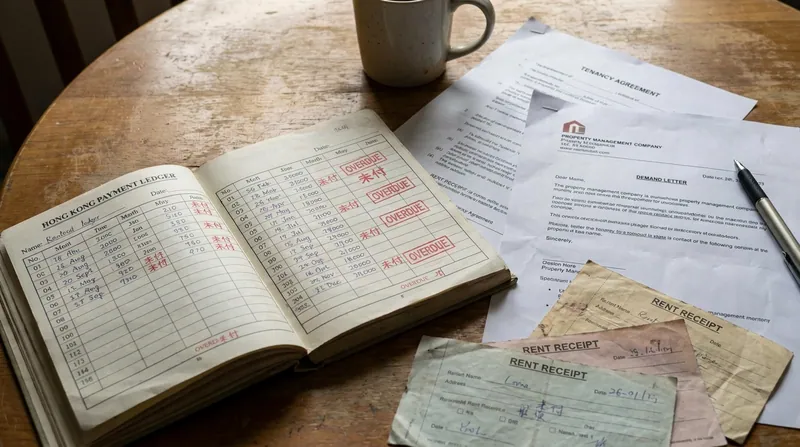
Collect rent receipts, bank statements and transfer references for the paid period as well as the default period. Mark part-payments and credits. The purpose is to show the established payment pattern, the first missed instalment and the route from gross arrears to the net sum claimed.

03

Complete demands, replies and service material

Export full WhatsApp or email threads instead of isolated screenshots. Keep demand letters, delivery receipts, returned mail and any response acknowledging the debt or disputing a month. For possession proceedings, keep the sealed copies, dates of personal or postal service, photographs of required posting and Form 30 material together.

04

A month-by-month arrears and deposit schedule

Give each row a due date, rent due, amount received, contractual charge if supported, deposit credit and running balance. Flag instalments approaching the Cap. 347 s.18 six-year limit. The final line should equal the sum on the claim form, with no unexplained rounding or duplicate deposit deduction.

Agreement, payment history, demands and arithmetic should tell the same story. A missing category is easier to repair before filing than to explain for the first time at a hearing.

Free Case Assessment (WhatsApp)

Honest Limits & FAQ

Data verified:

Statutory Disclosure

Easy Debt is not a law firm and does not provide legal advice or legal representation. Our rental-arrears work is confined to procedural information, Small Claims Tribunal filing support, form preparation, evidence organisation and pre-hearing preparation for the money-only branch. Possession, writs, distress and criminal issues require the relevant court process and, where appropriate, advice from a qualified professional.


The Small Claims Tribunal can award money but cannot return the flat. That does not mean possession and arrears always require two cases: a landlord with a maintainable possession claim may put possession, rent and mesne profits into one Lands Tribunal Form 22 application under Cap. 17 s.8(8). Our service covers only the money-only Small Claims Tribunal branch; possession and distress remain outside it.

EasyDebt is a filing support consultant, not a law firm, and does not provide legal advice. All content is for general reference only.

Are rent recovery and possession always two separate Hong Kong cases?
No. Where the landlord has a maintainable possession application, Lands Tribunal Form 22 can ask for possession, arrears and mesne profits together. Cap. 17 s.8(8) authorises the money orders inside the possession case and does not impose a monetary ceiling on that limb. The second filing arises at enforcement: if the tenant ignores the possession order, the landlord applies within the same case for a writ of possession. That is different from opening a second rent lawsuit. Expect more than two trips or attendances: filing, service, posting, proof of service and bailiff arrangements are separate tasks.
Can I recover the balance after applying the rental deposit?
A supported net balance can be claimed. For an ordinary tenancy, no general Hong Kong statutory rule identified here permits or prohibits setting the deposit off against arrears, so read the agreement and avoid describing a market practice as law. Show the deposit received, the contractual basis of the credit and the remaining debt. A regulated subdivided-unit tenancy is different: Cap. 7 s.120AAZC caps the deposit at two months' rent and expressly allows arrears to be deducted. If the remaining money-only claim is no more than HK$75,000, the Small Claims Tribunal route may be available. See the rental-deposit dispute guide
I never filed CR109. Does that stop every claim against the tenant?
No. For a domestic tenancy within Cap. 7 Part IV, s.119L(2) prevents the landlord from maintaining the action to recover rent under that agreement unless the Commissioner has endorsed the notice. The language does not bar possession, mesne profits, damages for breach or distress. The notice is free when lodged within one month of the letting or renewal and can be lodged later at any time for HK$310. Obtain the endorsement before filing: no authority identified here confirms that an endorsement obtained after proceedings begin will cure an action already issued. Regulated subdivided-unit tenancies use AR2 instead.
Is an unstamped tenancy agreement void, and can late stamping fix it?
An unstamped chargeable agreement is not automatically void. The immediate civil-procedure problem is Cap. 117 s.15(1): the instrument cannot ordinarily be received in evidence unless duly stamped. Pay the duty and complete any required late stamping before filing. Under Cap. 117 s.9 the late penalty is two, four or ten times the duty according to how late the instrument is, although the Collector may remit all or part. The duty base changes with the term, so do not apply one percentage to every lease. A statutory solicitor-undertaking route exists, but it is not a sensible plan for a self-represented Small Claims Tribunal claimant where lawyers cannot appear.
Does a right of forfeiture let me change the locks or remove the tenant myself?
No. Forfeiture is a legal basis for ending the tenancy; it is not a private warrant to retake the premises. Read the express termination and notice to quit provisions in the agreement. Where there is no express covenant to pay rent and no express forfeiture condition, Cap. 7 s.126 may imply a right after rent remains unpaid for 15 days, subject to the Part's scope limits. Possession must still be ordered through the proper forum and carried out by the bailiff. Unlawful deprivation of occupation or harassment intended to force departure can engage Cap. 7 s.119V and its criminal penalties.
What happens if the Lands Tribunal orders possession but the tenant still will not leave?
Return to the same case for the enforcement filing; do not go to the flat and act personally. Where the required application notice was not posted earlier, the Judiciary procedure requires the judgment notice to be posted at the premises for three consecutive days, followed by the affidavit application for leave to issue the writ from the fourth working day after posting. Fees and a bailiff deposit apply. Once the writ issues, the bailiff executes possession. If an outstanding monetary award is to be recovered at the same time, the Judiciary states that a combined writ is necessary. Confirm the current forms and directions with the Registry for the case.
Can I seize furniture or other goods while the tenant is still in the flat?
Only through the District Court distress procedure. Under Cap. 7 Part III, the court may issue a warrant and a bailiff may seize qualifying movable property at the premises for sale, with proceeds applied first to costs and then the debt. The warrant has no amount ceiling, but Cap. 7 s.79 limits it to arrears from the 12 months preceding the application. Cap. 7 s.102 preserves distress after the tenancy ends or is determined only while the tenant remains in possession. Exempt goods and third-party ownership challenges matter, and an unjustified seizure can be discharged with compensation. A landlord who personally levies or attempts distress commits an offence under s.78.
How long do I have to claim old rent arrears?
Cap. 347 s.18 sets a six-year limit from the date the arrears became due. Apply that rule to each instalment separately. A three-year run of missed rent is therefore a series of due dates and limitation dates, not one clock beginning with the final demand or the end of the tenancy. Build the schedule from oldest to newest and remove instalments already outside time. The same section expressly bars distress after six years as well as an action, so changing from a money claim to a distress application does not restore an expired instalment. Do not publish or rely on Cap. 347 s.4(1)(a) as the rent-specific provision.
What do mesne profits, Form 30, a writ of possession and bailiff mean here?
Mesne profits are money for the tenant's continued occupation after the right to occupy has ended; Cap. 17 s.8(8) lets the Lands Tribunal address them in the possession application. Form 30 is filed after service as the required confirmation or affidavit of service. A writ of possession is the enforcement instrument sought after a possession order is not obeyed. The bailiff is the court officer who executes the writ or a proper distress warrant. None of those terms authorises a landlord to enter, move belongings, cancel access or change locks personally. Ask the Registry which current form and affidavit route applies to the order actually made.
What can you actually do for my rent-arrears claim?

Here's what we can actually help with:

  • Check whether the proposed claim is a money-only claim within the Small Claims Tribunal's HK$75,000 ceiling, and prepare a month-by-month calculation showing rent due, payments, supported credits, the deposit treatment and the net amount sought.
  • Organise the agreement, stamp record, relevant RVD endorsement, rent receipts, bank entries, demands and replies into an exhibit index that uses the same dates and references as the arrears schedule.
  • Help complete Small Claims Tribunal Form 1 and Form 2, checking the claimant and defendant names, service address, concise facts, amount and attachment references before the papers are filed in person.
  • Provide procedural information and pre-hearing preparation so the landlord can explain the agreement, each missed instalment, each credit and the final total in a sequence the adjudicator can test.
Which possession, enforcement and legal tasks are outside your service?

Here's what we won't do:

  • We do not conduct Lands Tribunal possession proceedings, apply for a writ of possession, obtain a District Court distress warrant or instruct the bailiff. This page explains those routes so a landlord is not sent to the wrong forum.
  • We do not provide legal advice or decide whether a notice to quit is valid, a forfeiture right has accrued, a tenancy clause is enforceable, particular goods are distrainable, or conduct carries criminal liability.
  • We do not appear as barristers or solicitors. In any event, Cap. 338 s.19(2) prevents a barrister or solicitor from representing a party in the Small Claims Tribunal proceedings covered by our filing support.
  • We do not promise an award or recovery, estimate unpublished bailiff deposits or end-to-end possession time, or turn an uncertain contractual charge into a rent figure merely to increase the claim.
Sources & Verification Dates (16 items)

Lands Tribunal Ordinance, Cap. 17 ss.8(6) and 8(8) · Hong Kong e-Legislation
Verified 2026-08-05

Lands Tribunal (Fees) Rules, Cap. 17B · Hong Kong e-Legislation
Verified 2026-08-05

Landlord and Tenant (Consolidation) Ordinance, Cap. 7 · Hong Kong e-Legislation
Verified 2026-08-05

Cap. 7 s.102, distress after determination while possession continues · Hong Kong e-Legislation
Verified 2026-08-05

Cap. 7 s.119L, CR109 endorsement and rent-action precondition · Hong Kong e-Legislation
Verified 2026-08-05

Stamp Duty Ordinance, Cap. 117 s.9, s.15 and Schedule 1 · Hong Kong e-Legislation
Verified 2026-08-05

Small Claims Tribunal Ordinance, Cap. 338 ss.19 and 33 · Hong Kong e-Legislation
Verified 2026-08-05

Limitation Ordinance, Cap. 347 s.18, arrears of rent · Hong Kong e-Legislation
Verified 2026-08-05

District Court Ordinance, Cap. 336 s.35 · Hong Kong e-Legislation
Verified 2026-08-05

Lands Tribunal procedure, service, forms and Registry information · Hong Kong Judiciary
Verified 2026-08-06

Form 22 Part A filing guidance and specified charges · Hong Kong Judiciary
Verified 2026-08-06

Small Claims Tribunal (Fees) Rules, Cap. 338B · Hong Kong e-Legislation
Verified 2026-08-05

Small Claims Tribunal Forms 1 and 2, HK$75,000 ceiling and no representation · Hong Kong Judiciary
Verified 2026-08-05

CR109, HK$310 late endorsement and Form AR2 · Rating and Valuation Department
Verified 2026-08-05

Rating and Valuation Department contact details for tenancy matters
Verified 2026-08-05

Stamp Office address and enquiry line · Inland Revenue Department
Verified 2026-08-05

Our Mission

Equal access to legal remedies for everyone.

Legal recourse shouldn't only be available to those who can afford lawyers. The Small Claims Tribunal was designed for ordinary people — our job is to help you use it effectively.

Further reading

Hong Kong Rent Recovery and Tenancy Records

View all articles
A cardboard-style elderly man in a burgundy cardigan sitting at a desk in a Hong Kong home, sorting two stacks of blank documents, a wooden abacus and pen on the desk, a green paper-craft lion lying on all fours on the floor beside him
Tenancy Disputes9 min

Rent in Arrears: A Hong Kong Landlord's Guide

EasyDebt's guide, based on the Hong Kong Judiciary, CLIC and the Inland Revenue Department's stamp duty guidance — a landlord's recoverable claim is the arrears plus whatever rates, government rent and interest the tenancy agreement makes the tenant liable for; the deposit should be applied before filing, and claims of HK$75,000 or under can go to the Small Claims Tribunal. Procedural information only, not legal advice.

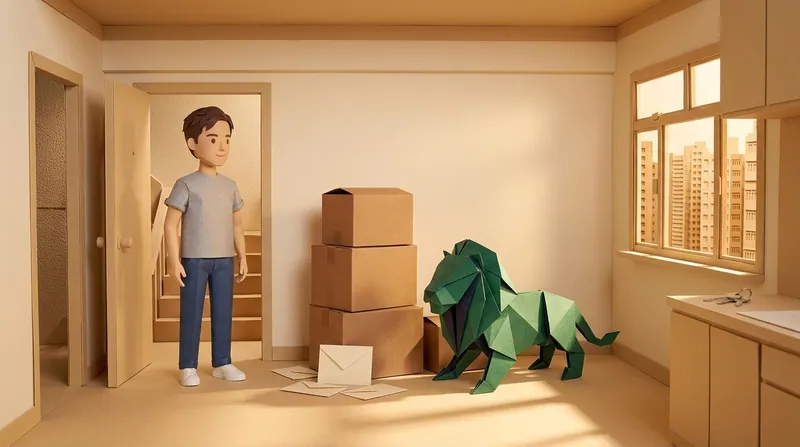
A cardboard-style young man standing at the doorway of an emptied-out Hong Kong flat, three cardboard boxes stacked against the wall, a few blank envelopes scattered on the floor, a set of keys on the kitchen counter, a green paper-craft lion standing on all fours beside the boxes
Tenancy Disputes9 min

Dealing with a Rent Defaulter in Hong Kong: What to Do, in Order

EasyDebt's guide, based on the Landlord and Tenant (Consolidation) Ordinance (Cap. 7) and CLIC — a landlord facing unpaid rent should follow a set order: document, demand, then terminate through the court. Self-help eviction (changing locks, removing belongings, cutting utilities) is unlawful and can trigger a criminal charge and a counterclaim. Procedural information only, not legal advice.

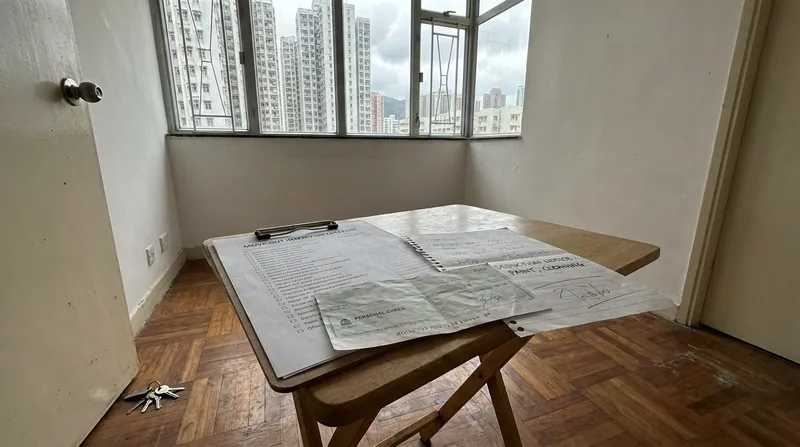
Paper-craft lion and the cardboard tenant character inspecting the walls of an emptied Hong Kong rental flat on move-out day, keys and boxes on the floor
Deposit Disputes9 min read

Which Tribunal Hears a Landlord-Tenant Dispute?

Prepared by EasyDebt using publicly available information from the Community Legal Information Centre (CLIC), the Landlord and Tenant (Consolidation) Ordinance, and the Hong Kong Judiciary: which deduction reasons hold up, what evidence you need, and how to recover a deposit through the Small Claims Tribunal. For general procedural reference only — not legal advice.

Turn the Unpaid Months into a Claim the Tribunal Can Follow

Start with a free review of the net arrears, filing route and documents. We can help with the Small Claims Tribunal money claim; we will tell you plainly when the remedy belongs in the Lands Tribunal or District Court instead.

Free Case Assessment (WhatsApp)