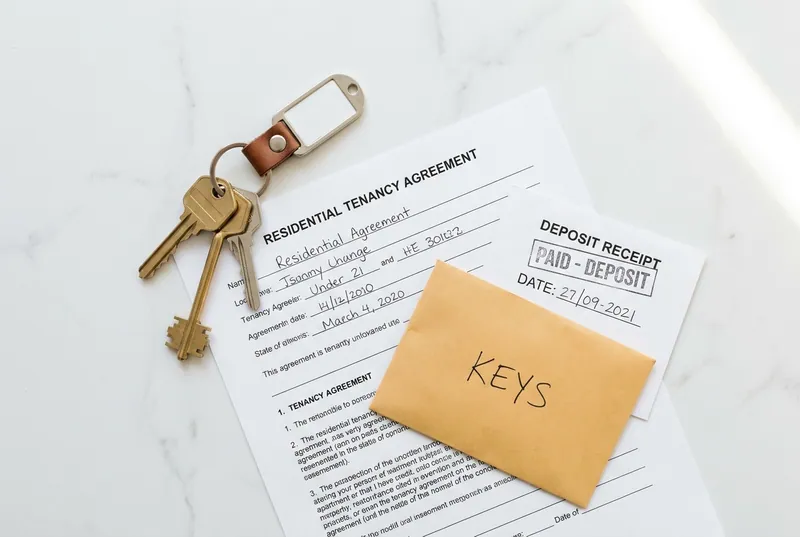


The landlord says…
The landlord says something's damaged and keeps the whole deposit — how do I get it back?
What the law says
Fair wear and tear is not damage — a landlord can't withhold the whole deposit just because the unit ‘looks used’; every deduction needs documentary support and must be calculated at depreciated value.
What can't be deducted (fair wear and tear)
- Paint fading, light scuffs
- Normal marks on walls and floors from everyday use
- The unit's natural ageing over time
What can be deducted (with evidence)
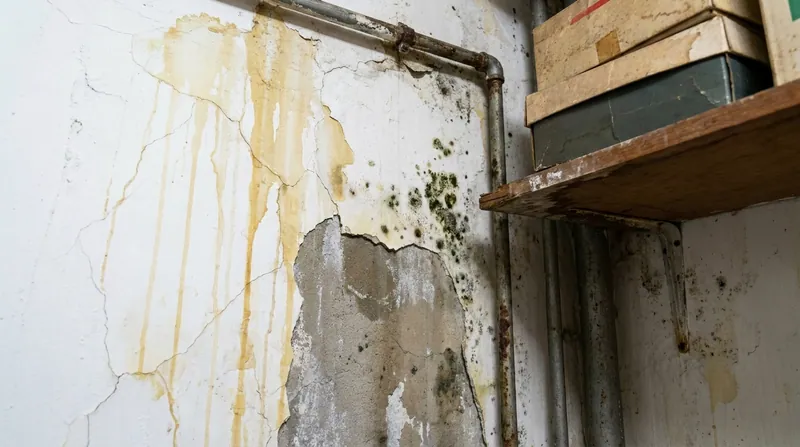
- Actual damage beyond fair wear and tear
- Calculated at depreciated value, not full replacement cost
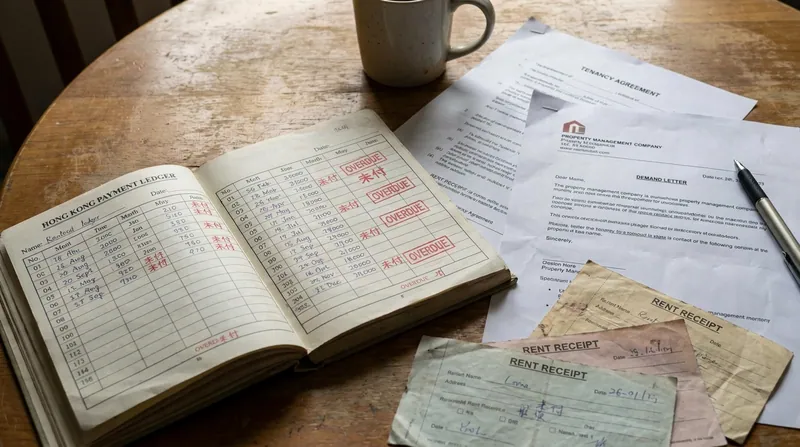
- Arrears the tenancy allows to be set off against the deposit
Read more
Fair Wear and Tear vs Deductions: Where the Line Sits and How to Claim
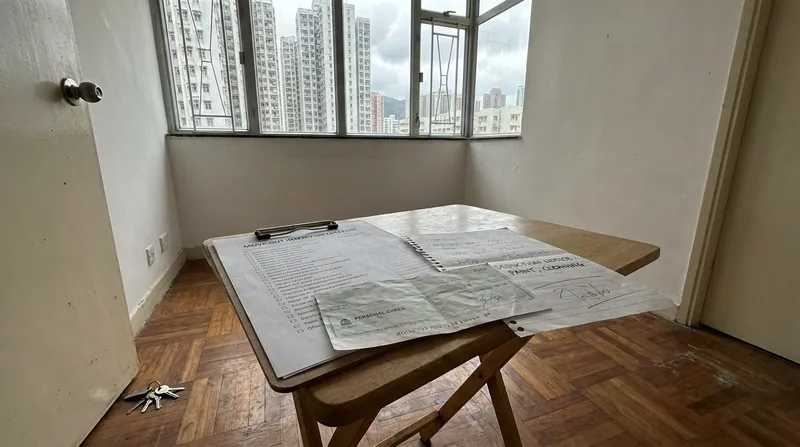
A tenant's implied duty is to use the property in a manner a reasonable tenant would, fair wear and tear excepted; a tenant is also under no obligation to ‘improve’ the unit beyond its condition at the start of the tenancy, and the landlord may need to reasonably accept this normal wear at handover. Simply having ‘lived in and used’ the unit is therefore not, on its own, grounds for a deduction.
How much is a reasonable deduction? There is no fixed legal standard for what counts as ‘reasonably to the landlord's satisfaction’ — landlord, tenant and the court alike must apply a degree of reasonableness and common sense. A landlord alleging damage should generally be able to produce a repair quotation or receipt to support it; the landlord's fixtures listed in the tenancy (air-conditioners, cooking appliances, bathroom fittings and the like) only need to be restored to a reasonable condition, or their depreciated-value equivalent — not billed at full replacement cost.
Steps to recover it: first set out in writing, item by item, the deductions and amounts you consider unjustified, and ask the landlord for supporting documents for each one. If you can't reach agreement, you can try the Rating and Valuation Department's free mediation first, or file a claim for the difference with the Small Claims Tribunal (cap HK$75,000, filing fee from HK$20). Before filing, it's also worth weighing whether the amount in dispute is proportionate to the time and effort involved.
Honest limit: there is no uniform line between fair wear and tear and actual damage — whether a deduction is reasonable and how much can be recovered are decided by the adjudicator based on the tenancy terms, supporting documents and common sense.