Friend Refused to Repay — FPS Records Became the Winning Evidence
A client lent HK$15,000 to a friend who kept making excuses to delay repayment. FPS transfer screenshots and WhatsApp records became the key evidence that won the case.
Recovered in full — Won — Full Amount Recovered
- FiledDay 0
- Hearing—
- RulingDay 60
AGAINST THE OTHERSAcross 9 published illustrative cases the median is 75 days and HK$22,000. This one ran 60 days, about 15 days under that median.
We talk through whether your claim is worth pursuing first. The assessment is free.
Background
Our client lent HK$15,000 to a close friend in early 2025. The loan was made by FPS bank transfer. At the time, both parties verbally agreed on a repayment period of three months, but no written IOU was prepared.
Three months later, the friend began making excuses — first claiming financial difficulty, then going silent for weeks at a time. Multiple reminders via WhatsApp received no substantive response. After five months without repayment, the client decided to seek legal recourse.
How We Helped
Case assessment: We reviewed the available evidence — FPS transfer records, bank statements, and a chain of WhatsApp messages — and confirmed this was a viable claim for the Small Claims Tribunal.
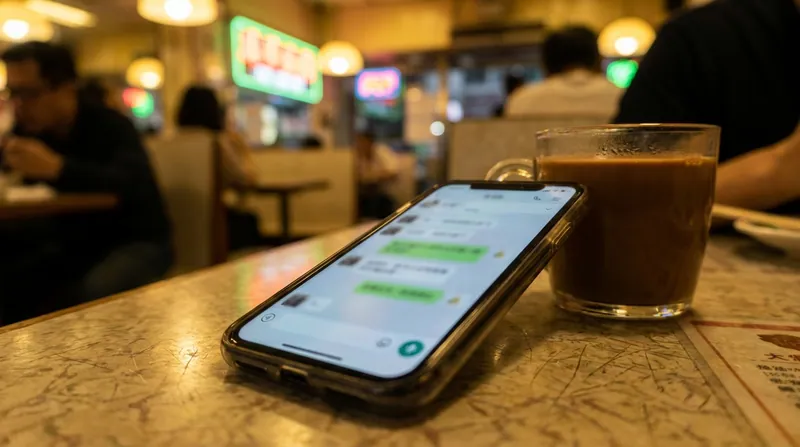
Evidence organisation: We helped compile the FPS screenshots showing the transfer date and amount, the WhatsApp conversation thread showing repayment demands and the friend's evasive responses, and the bank statement confirming the transfer.
Filing support: We completed the claim form, clearly setting out the loan facts, the amount owed, and the timeline of repayment demands.
Pre-hearing preparation: We walked the client through what to expect at the hearing and rehearsed how to present the loan clearly and concisely.
Outcome
Despite the absence of a written IOU, the FPS transfer record and the WhatsApp conversation — in which the friend acknowledged owing the money — were sufficient evidence. The Adjudicator ruled in the client's favour and ordered full repayment of HK$15,000.
Key Takeaway
Even without a formal written agreement, bank transfer records combined with written acknowledgements (such as WhatsApp messages where the borrower admits the debt) can be strong evidence. The key is to preserve all digital records carefully.
This is an illustrative case, adapted from the kinds of matter the Hong Kong Small Claims Tribunal hears. It is not the record of an identifiable client, and no outcome shown here is a promise about yours.